
Turning Data Into
Smarter Protection
Technology for the Next Generation
of Pest Management
Our Approach
Vectora Science sees technology as an important enabler of more precise, efficient and preventive protection.
We are exploring opportunities to apply artificial intelligence, sensors, imaging and data analytics to improve pest monitoring, risk identification and operational decision-making.
Our objective is to connect practical field knowledge with digital intelligence.
Key Technology Areas
We are exploring opportunities to apply a range of technologies to improve pest monitoring, environmental hygiene and facility protection.
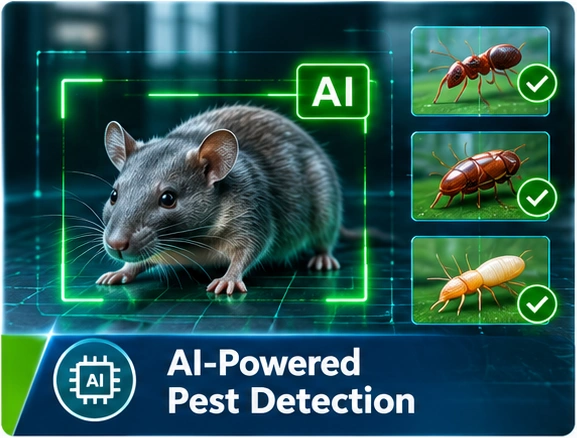
1. AI-Powered Pest Detection
Artificial intelligence and image recognition may help identify patterns associated with pest activity.
Potential applications include:
- Image-based pest identification.
- Automated detection of activity.
- Digital records of observations.
- Alert systems for review and response.
- Historical analysis of pest trends.
The performance of these applications depends on data quality, environmental conditions and appropriate validation.
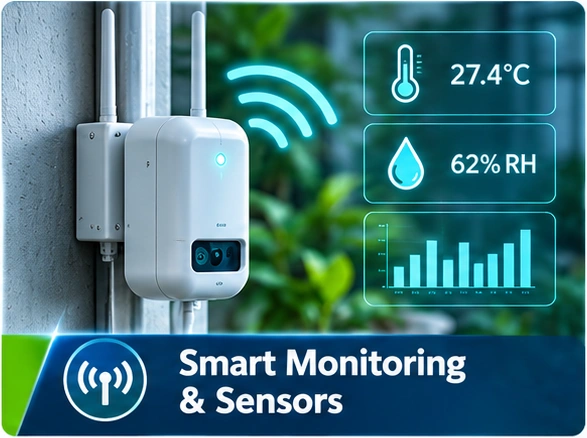
2. Smart Monitoring & Sensors
Connected monitoring technologies can help teams collect information more consistently.
Potential applications include:
- Continuous or scheduled monitoring.
- Activity alerts.
- Environmental data collection.
- Remote review of selected indicators.
- Improved inspection planning.
These technologies can complement professional inspections and established pest management practices.
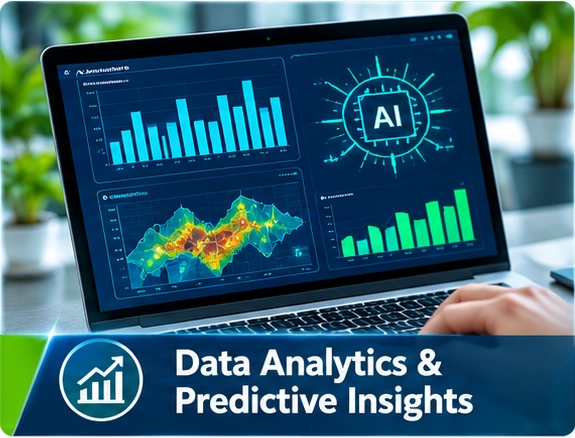
3. Data Analytics & Predictive Insights
Data can help transform individual observations into useful operational information.
We aim to explore how analysis of pest activity, site conditions and treatment records could help identify trends and support earlier intervention.
Potential benefits include:
- Improved planning.
- More targeted responses.
- Better use of operational resources.
Predictive capabilities would be developed and validated before being relied upon in operational decisions.
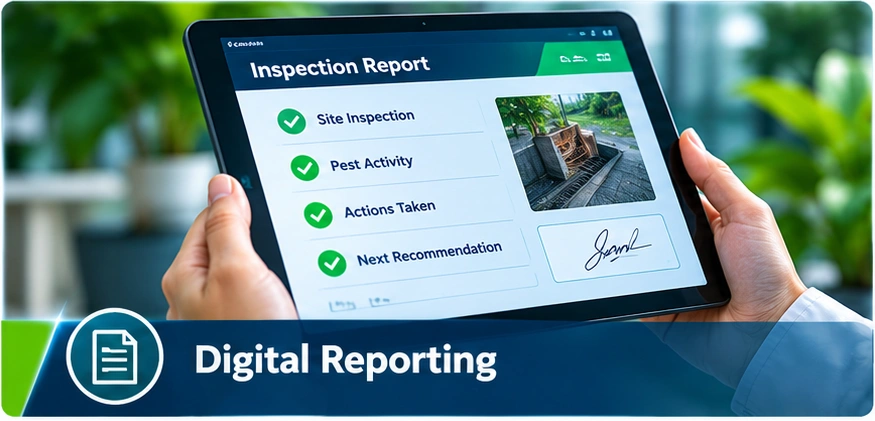
4. Digital Reporting
Digital reporting can strengthen traceability and communication.
Potential functions include:
- Digital inspection records.
- Monitoring summaries.
- Action tracking.
- Trend reporting.
- Operational performance indicators.
- Sustainability-related data collection.
5. Technology for Sustainability
Technology may also support better environmental and resource management.
By improving monitoring and decision-making, suitable digital solutions could help organisations assess whether interventions are necessary and identify opportunities to reduce avoidable resource use.
Any environmental benefits should be evaluated using relevant operational data.
Our Technology Roadmap

Stage 1 — Identify
Understand operational challenges and establish clear use cases.
Stage 2 — Develop
Explore suitable sensors, software, imaging and analytical approaches.

Stage 3 — Validate
Evaluate technical performance under relevant conditions.

Stage 4 — Implement
Introduce suitable solutions through controlled deployment.

Stage 5 — Improve
Review results and refine the technology based on evidence and user feedback.
Our Belief
Technology should not be adopted simply because it is new.
It should solve a real problem, improve decisions and create measurable value.